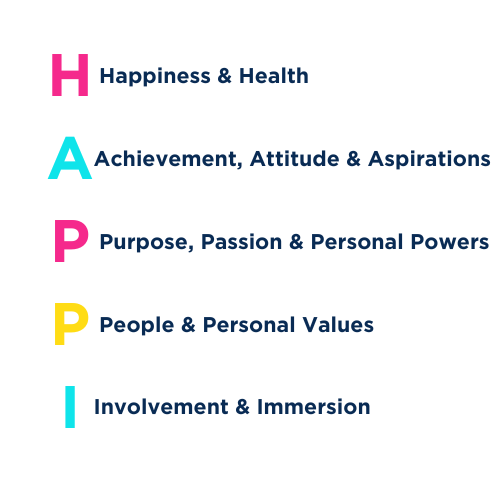
Helping Teachers & Pupils Thrive Together
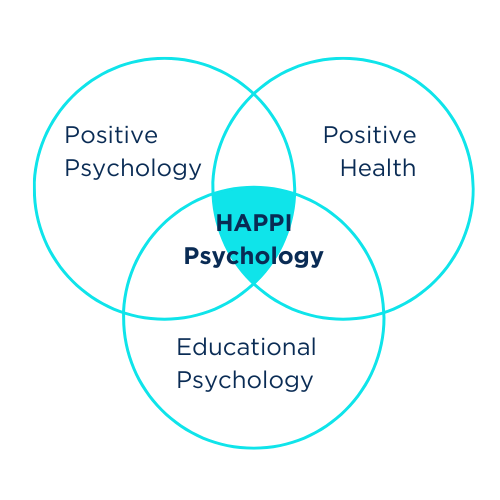
HAPPI Psychology brings together Positive Psychology, Educational Psychology and Positive Health to support the wellbeing and flourishing of both the adults and children within school communities.
For teachers: Working as an Educational Psychologist, I regularly see the pressures faced by teachers and school staff. HAPPI Psychology draws on psychological research to offer practical approaches that can support wellbeing, life satisfaction, positive relationships and a greater sense of fulfilment at work.
When teachers feel supported, confident and able to look after their own wellbeing, this can help create a more positive learning environment in which pupils can flourish too.
For pupils: HAPPI Psychology aims to help children and young people develop psychological skills and strengths that support their wellbeing and learning. This might include developing resilience, recognising strengths, building positive relationships, finding meaning and purpose, and learning ways to manage challenges.
Rather than focusing only on difficulties, HAPPI encourages schools to consider what helps people feel well, function well and thrive.
The aim is simple: to use psychology in practical, realistic ways to help create school communities where both adults and pupils can flourish.
“Turn to what makes life worth living, not just curtailing the disabling conditions of life, but to building the enabling conditions of life”
(Seligman et al, 2009)
The story behind HAPPI
My interest in positive psychology and positive education has grown from both my professional and personal experience.
I didn’t have a particularly positive experience of school myself, either as a learner or later as a teacher. That helped shape my interest in what enables people not simply to cope with difficulties, but to genuinely thrive.
After studying Psychology, completing a PhD, training as a teacher and later qualifying as an Educational Psychologist, I became increasingly drawn to strengths-based approaches. This eventually led me to complete a Master’s degree in Applied Positive Psychology and Coaching Psychology.
HAPPI brings these strands together — Educational Psychology, Positive Psychology and Positive Health — translating psychological research into practical ideas that can support wellbeing, relationships, engagement and learning in schools.
The HAPPI Psychology Framework
HAPPI brings together Positive Psychology, Educational Psychology and Positive Health to support wellbeing, learning and flourishing in schools.
HAPPI draws on research-informed approaches and practical strategies that can be applied realistically within school life.
HAPPI is designed for individual educators, school teams and whole-school use, as well as other professionals who support children and young people in education.
Why Do We Need Positive Education?
“Imagine if schools could… teach both the skills of wellbeing & achievement. Imagine Positive Education”
(Seligman et al, 2009)

Research has found that Positive Psychology approaches can support different aspects of teacher wellbeing, with benefits that may also extend to others within the school community. (Shu-Hua Yeh & Barrington, 2023)

One large-scale study found that Positive Education was associated with significantly higher student wellbeing and improved academic performance. (Adler, 2016)
Developed by an Educational Psychologist
HAPPI Psychology has been developed by Dr Victoria Tyrer-Davies, an Educational Psychologist and former teacher with doctoral-level training and a Master’s degree in Applied Positive Psychology and Coaching Psychology.